- 53 Knightsbridge Road, Suite 200 Piscatway, NJ 08854
- info@zenora-health.com

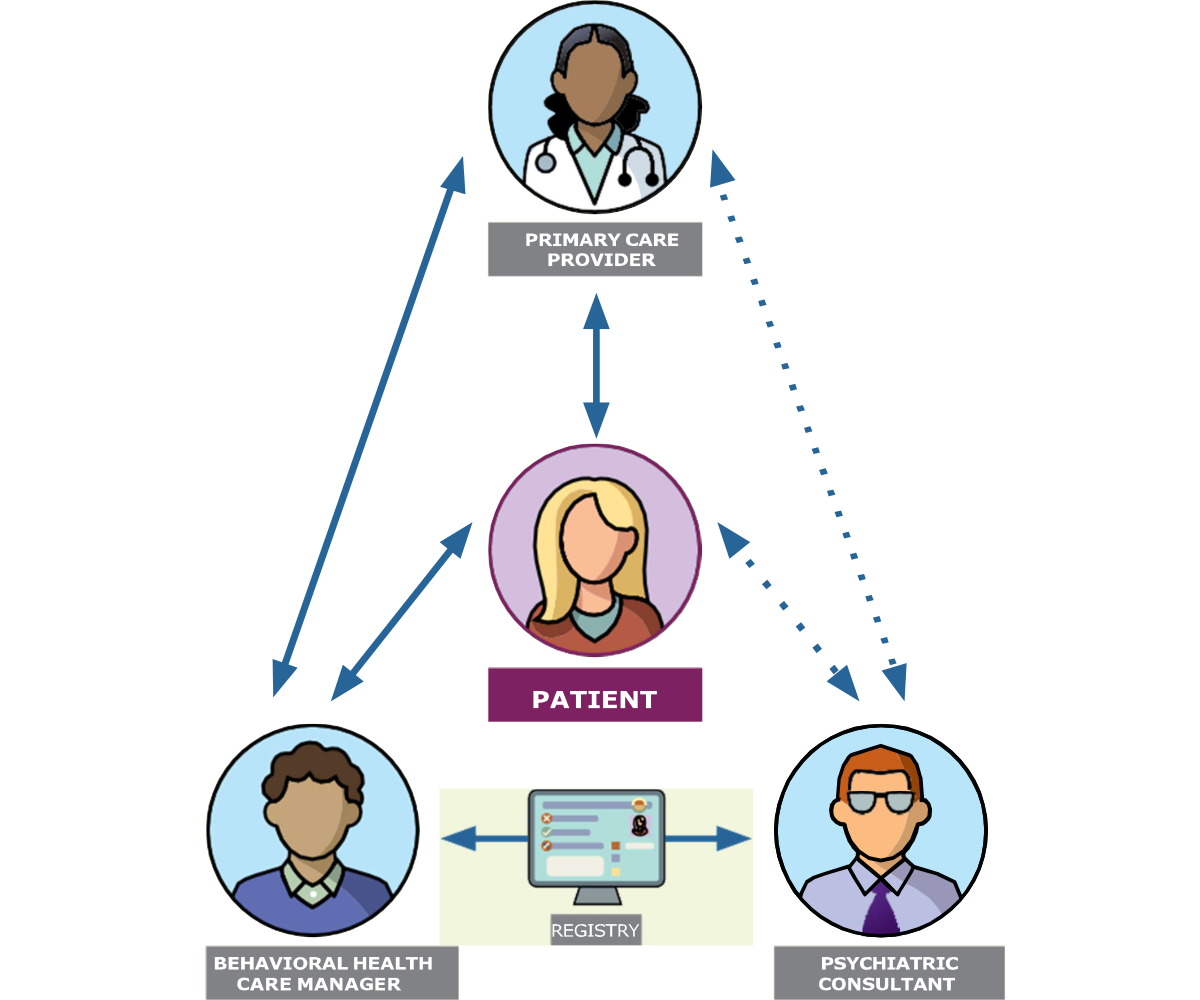
CoCM is extensively supported by scientific studies, with over 90 randomized controlled trials demonstrating its clinical efficacy. Providers use the model to help people with depression, anxiety, and other common mental health problems. The Meadows Institute has studied the impact that universal access to CoCM would have on suicide rates, and the data are clear and encouraging: If every American with depression had access to CoCM, between 9,000 and 14,500 lives could be saved every year.

Physical health clinic delivers universal screening at least annually for common behavioral health problems, such as depression and anxiety, using evidence-based behavioral health assessments (e.g., PHQ-9, GAD-7).

Patients who screen positive or display concerning behavioral health signs/symptoms and meet program criteria are offered enrollment in CoCM by their PCP, who obtains verbal consent and facilitates a warm hand-off to the BHCM.

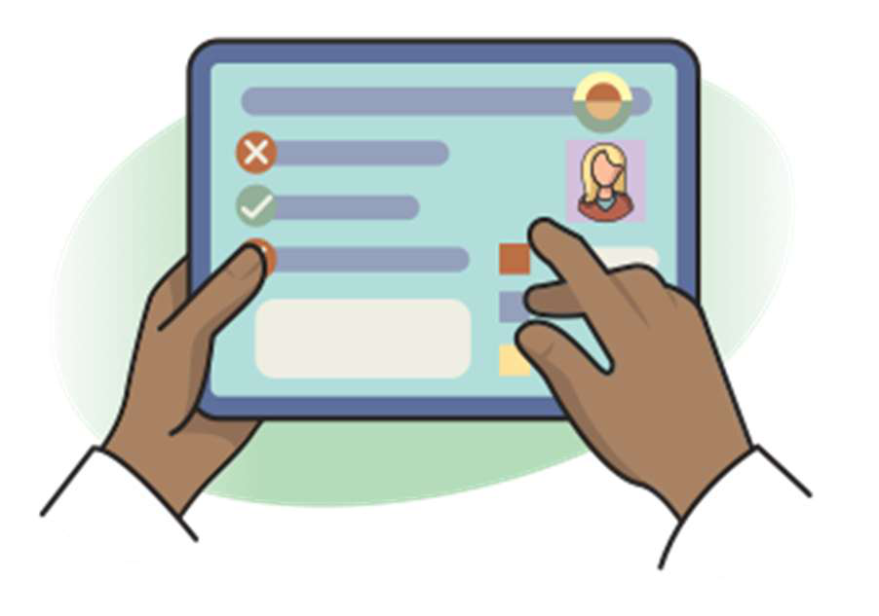
BHCM engages the patient, answers remaining questions about CoCM, reviews the patient’s chart, and completes an intake evaluation. BHCM enters evidence-based behavioral health assessments (e.g., PHQ-9, GAD-7) and other patient data into the CoCM patient treatment registry.

In weekly case review sessions with a designated psychiatric consultant, the BHCM discusses new and existing patients who do not demonstrate adequate symptom improvement. They review diagnostic impressions and treatment recommendations, updating as indicated. Treatment planning may include medications, therapy, or referrals to outside resources, depending on patient need, preferences, and service availability.

BHCM compiles treatment recommendations and diagnostic impressions into an intake report, updates the registry, makes any necessary referrals, and shares the treatment plan with the PCP. Additionally, the BHCM preliminarily discusses the treatment plan with the patient and answers questions.

PCP reviews the intake report, discusses diagnosis and treatment recommendations with the patient, answers questions, and prescribes the recommended medication if it is in line with their clinical judgment. If the PCP has questions or concerns about the treatment plan, they can discuss these with the rest of the CoCM team at any time.

BHCM regularly engages with the patient (often twice a month), asking about their experience with medication, measuring treatment response using evidence-based behavioral health assessments, reviewing patients with the psychiatric consultant as indicated, delivering therapeutic interventions, coordinating with outside providers (if applicable), updating the registry, and documenting all findings in the medical record.

Working in collaboration with the psychiatric consultant, the BHCM tracks patient outcomes until the patient meets evidence-based symptom response or remission targets. Once the patient has improved, they engage with the BHCM in relapse prevention planning and prepare for discharge from CoCM back to regular PCP care.